What Is Tile Roofing?
Clay, Concrete, and Composite Tile, Explained
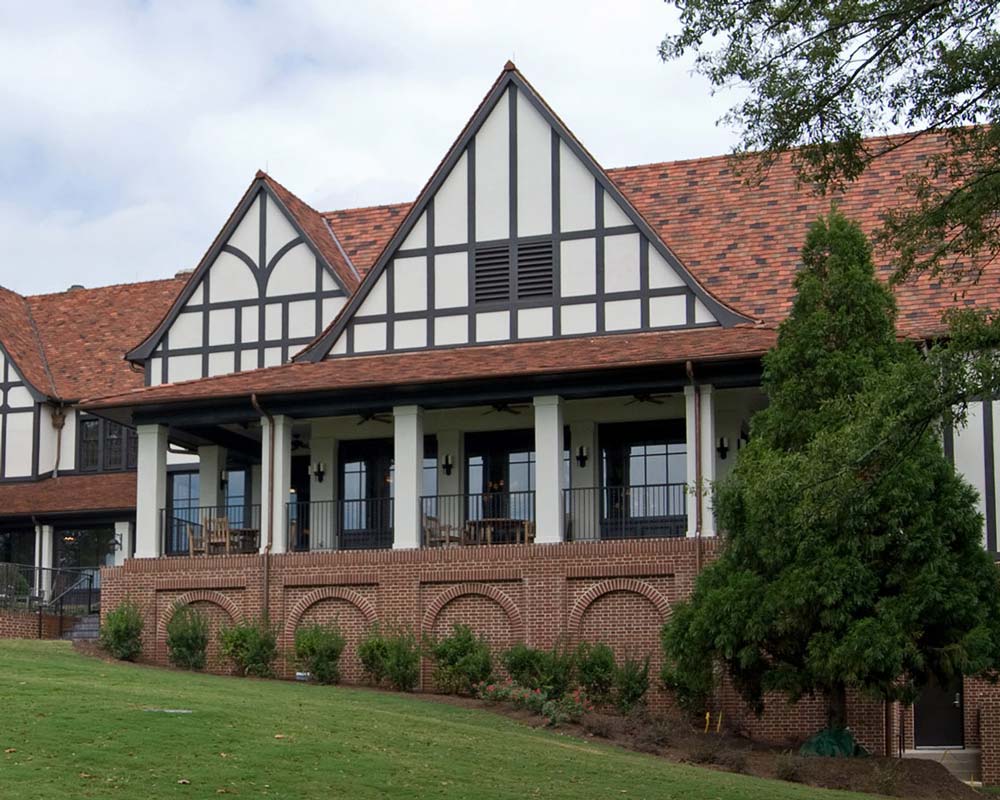
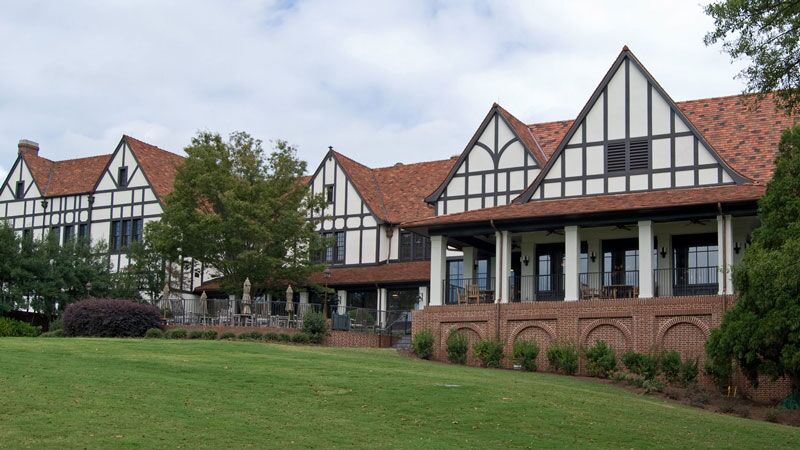
Tile roofing is one of the longest-lived roof systems available, and it shows up across metro Atlanta on Mediterranean and Spanish Colonial homes, historic properties, churches, and civic buildings. KTM Roofing has installed and repaired tile roofs here since 1984, including the clay tile restoration at East Lake Golf Club.
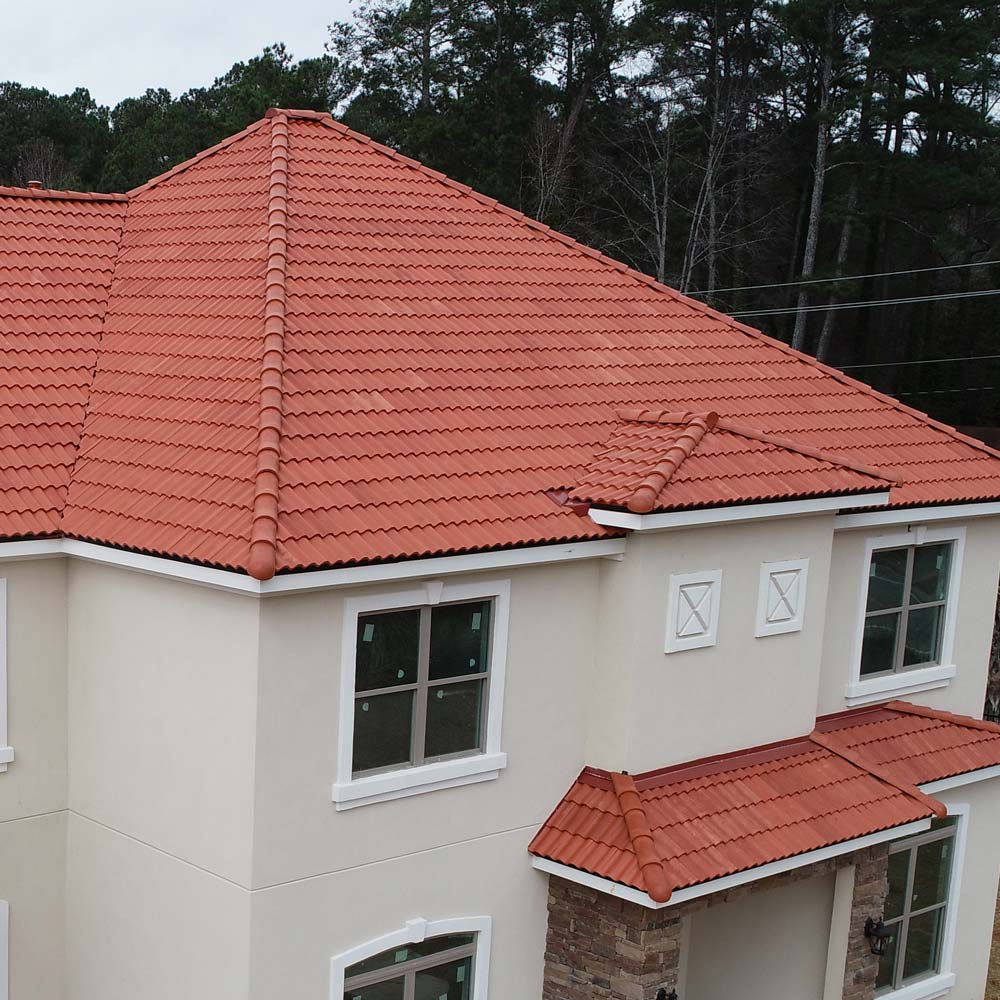
Roof tile falls into three families. Clay tile is fired terra cotta, the traditional material, and it holds color permanently because the color is the fired clay itself. Concrete tile is molded from sand, cement, and water, offering similar profiles at a lower material cost and more weight per square.
Composite tile, also sold as synthetic tile, is molded from engineered polymer to replicate clay and concrete profiles at roughly a third of the weight. It is the option most Atlanta homeowners land on when the framing was never built to carry clay.
Clay and concrete tile are both noncombustible and carry a Class A fire rating, the highest classification available for a roof covering. Both are also heavy, so a structural evaluation comes before any conversion from asphalt shingles. That assessment is part of our estimate, not a surprise partway through the job.


Why We Work With Ludowici, Brava, and Quarrix
Authentic Clay When It Matters, Composite When It Makes Sense
Carrying clay and composite side by side means the framing decides the material, not our inventory.
On a historic property or a home where the original terra cotta needs matching, nothing substitutes for authentic fired clay, and Ludowici’s custom color development is why it turns up on restoration work like East Lake Golf Club. On a home built for asphalt shingles, adding clay or concrete tile means structural reinforcement before a single tile goes on. Composite tile from Brava or Quarrix delivers the same profile and shadow line at a fraction of the weight, with no framing work.
We walk the roof, check the structure, and tell you which of the two you are actually choosing between. Every product we install goes on to manufacturer specification, because the material warranty depends on the installation behind it.
Tile Roofing Products We Install
Authentic Clay and Composite Alternatives
We install both traditional fired clay tile and modern composite profiles. Which one fits depends on your architecture, your framing, and whether the property sits in a historic district with material requirements.
Ludowici American-made terra cotta clay roof tile
Ludowici manufactures fired terra cotta tile in New Lexington, Ohio, in barrel profiles like Spanish, Roman, and Mission, plus shingle, interlocking, shake, and slate profiles. Color is developed to order, which is what allows an exact match on historic restorations. Ludowici backs its tile with a 75-year material warranty, and maintains an Atlanta design center display for in-person color and profile selection.
Brava Spanish Barrel Tile Composite barrel tile with an authentic Spanish profile
Brava’s composite barrel tile reproduces the semi-cylindrical Spanish profile without clay’s weight or fragility. It carries a Class 4 impact rating, 110 mph wind resistance, and a 50-year limited warranty, and it is available in Class A or Class C fire ratings depending on the assembly. Brava’s Colorcast mineral-infusion process runs color through the full tile, so replacements match years later.
Quarrix Composite Tile Lightweight polymer tile for structures that cannot carry clay
Quarrix molds its composite tile from high-density polyethylene at roughly a third the weight of traditional roof tile, which removes the structural retrofit that clay and concrete usually require. Tiles interlock, arrive pre-drilled, install with standard tile tools, and carry a 50-year warranty. Color runs through the material rather than sitting on the surface.
Tile Roofing FAQs
Common Questions From Atlanta Property Owners
Synthetic Tile Roofing vs. Natural Clay and Concrete
Same Profile, Very Different Structural Requirements
Synthetic tile, also called composite tile, is molded from engineered polymer rather than fired clay or cast concrete. It was developed to solve a specific problem: most homes in metro Atlanta were framed for asphalt shingles, and clay or concrete tile weighs enough that converting usually means reinforcing the structure first.
| Natural Clay & Concrete Tile | Synthetic (Composite) Tile | |
|---|---|---|
| Weight | Heavy; structural evaluation required before converting from shingles | Roughly one third the weight; no framing work in most homes |
| Service life | 50 to 100 years or more | 50-year limited warranty |
| Color over time | Clay color is the fired clay itself and holds permanently | Pigment runs through the full tile, so replacements match |
| Impact resistance | Tested for hail resistance; clay chips under hard impact and foot traffic | Class 4 impact rating on Brava barrel tile |
| Fire rating | Class A, noncombustible | Varies by product and assembly; Brava is available in Class A or Class C |
| Historic district work | Accepted where original material is required | Generally not accepted where authentic clay is specified |
| Repairs | Individual tiles replaced; matching is harder on older roofs | Individual tiles replaced; color match holds |
A synthetic tile roof gives you the barrel profile, the shadow line, and the color depth at roughly a third of the weight, which in most cases removes the framing work entirely. It also changes how the roof behaves over time. Color is molded through the full thickness of the tile rather than applied to the surface, so a tile roof installed years later still matches. Synthetic tile does not chip in handling or crack under foot traffic the way clay does, which matters on a roof that will be walked for gutter cleaning and chimney work for the next several decades.
Natural clay still wins in two situations. If your property sits in a historic district with material requirements, or if you are matching original terra cotta on an existing roof, fired clay is the answer and custom color development is what makes the match possible. Outside those cases, the decision usually comes down to what your framing can carry.
Signs Your Tile Roof Needs Repair or Replacement
What Usually Fails First on a Tile Roof
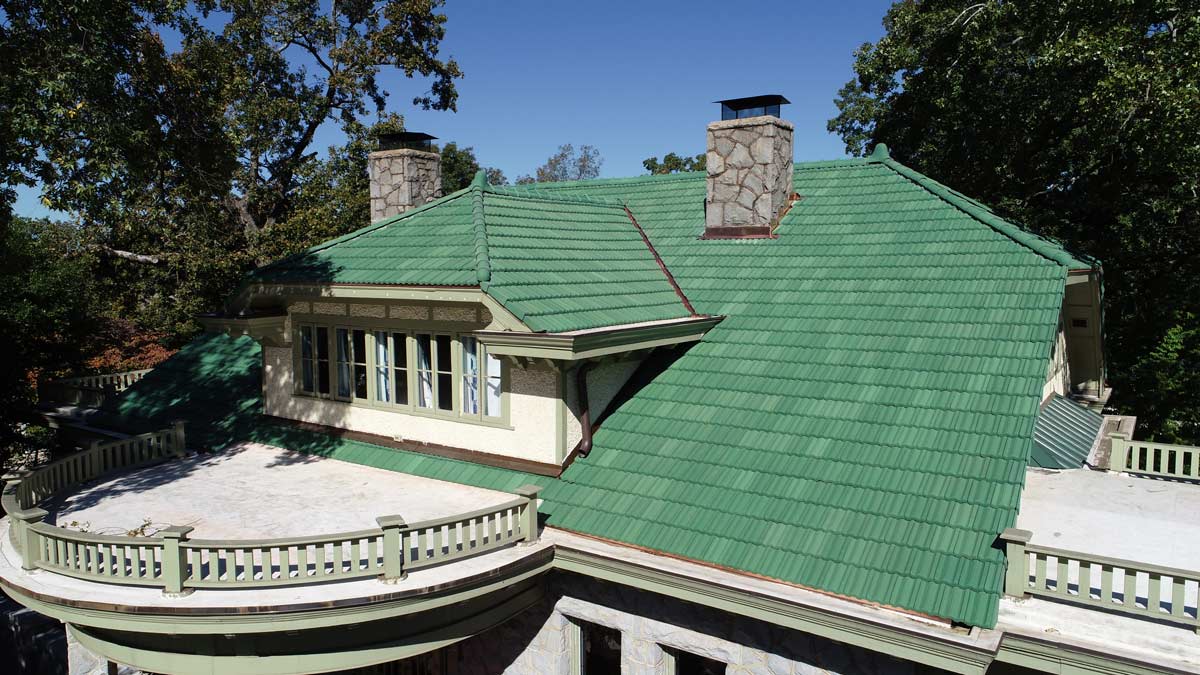
The tile itself typically outlasts everything underneath it. On most tile roofs the underlayment, flashing, and fasteners give out first, which is why trouble often shows up inside the house before anything looks wrong from the street.
Why Choose KTM Roofing for a Tile Roof?
Raising Roofing Standards in Atlanta Since 1984
Tile is not a material a general roofing crew learns on your house. Cutting, setting, and flashing tile takes different tools and different training than asphalt, and a crew that walks a tile roof wrong leaves you with cracked tile and a repair bill.
Tim McLoughlin founded KTM Roofing in 1984 on specialty materials, and four decades later tile is still core work rather than an add-on. Our clay tile projects include East Lake Golf Club, where the roof was replicated across custom color blends to match decades of weathering on the original. We also work in slate, wood shake, metal, and asphalt, which means we have no reason to push you toward one material over another.
You get a written estimate before anything starts, a crew trained on the product going on your roof, and an invoice that arrives after the work is done.